Energy Security and Europe’s Geopolitical Pivot
Energy is no longer commodity policy; it is a core theatre of strategic competition reshaping Europe's sovereignty, industrial capacity, and freedom of action.
Europe’s energy debate was once dominated by economics, climate design, and the management of market liberalisation. Those themes remain important, but they no longer define the field. Energy has now returned to its older political status as a strategic instrument: a source of leverage, a driver of industrial competitiveness, a dependency to be exploited, and a condition of national endurance. The continent’s Geopolitical Pivot has, in no small part, been an energy education.
The Old Assumption Corrected
The old assumption was comforting. If markets were integrated, suppliers diversified gradually, and interdependence deepened, energy would become less political over time. Europe could enjoy efficiency, decarbonisation, and stability in roughly the same movement. That expectation has been severely corrected. Supply shocks, coercive pricing, infrastructure sabotage, and the broader weaponisation of interdependence have demonstrated that energy systems are not merely economic networks. They are strategic architectures whose vulnerabilities can be manipulated.
Three Implications for European Policy
This change has several implications.
| Implication | Old Assumption | New Requirement |
|---|---|---|
| Diversification | A market preference, managed gradually | A security requirement — mandatory, not optional |
| Infrastructure resilience | Efficient supply contracts | LNG terminals, storage, grid links, cyber protection, repair capability |
| Industrial policy | Separate from energy planning | Central — energy access shapes factory locations and defence budgets |
Europe’s challenge is that it continues to think in partially separated compartments. Climate policy, industrial policy, external relations, and security planning are often handled by distinct communities with different time horizons and vocabularies. Yet adversaries benefit from precisely this fragmentation. They understand that energy pressure can ripple into inflation, political legitimacy, industrial weakness, and alliance disputes. A serious European approach must therefore integrate these domains far more tightly. Institutional Resilience in the energy field is not just about avoiding blackouts. It is about preserving strategic room for manoeuvre under pressure.
Strategic Autonomy and the Energy Dimension
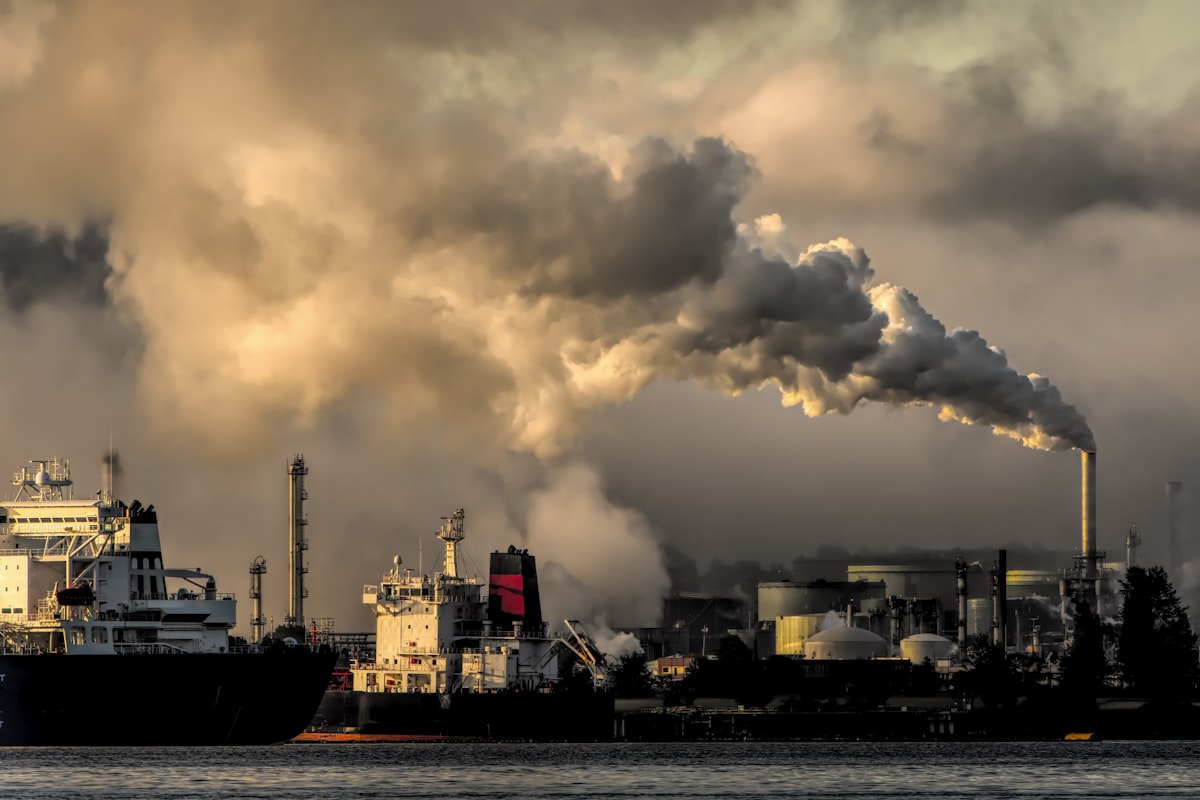
Strategic Autonomy provides a useful framework if defined carefully. Europe does not need autarky in energy; that would be expensive and unrealistic. It does require a structure of supply, infrastructure, and reserve capacity that denies any single external actor disproportionate leverage. This is a practical standard, not an ideological one. The point is not purity. It is optionality. States are freer when they can absorb disruption without immediate political panic.
The Maritime Dimension of Energy Security
There is a maritime dimension here that deserves more attention. Much of Europe’s post-crisis flexibility has depended on seaborne energy, maritime insurance, port throughput, and vessel availability. This reinforces the broader point that energy security and maritime security are increasingly entangled. A continent that neglects sea lanes and port resilience while discussing energy sovereignty is protecting only half the system. Supply diversity means little if the routes of delivery are exposed.
Britain’s role in Europe’s energy equation remains larger than some continental discourse admits. The UK contributes through offshore capability, North Sea expertise, financial services, market sophistication, and strategic geography. Post-Brexit co-operation in energy and infrastructure is therefore not a peripheral question. It sits within the wider issue of whether Europe can organise strategic sectors through functional partnership rather than institutional vanity. Serious security policy often requires wider geometry than formal membership categories suggest.
The Transition Agenda and New Dependencies
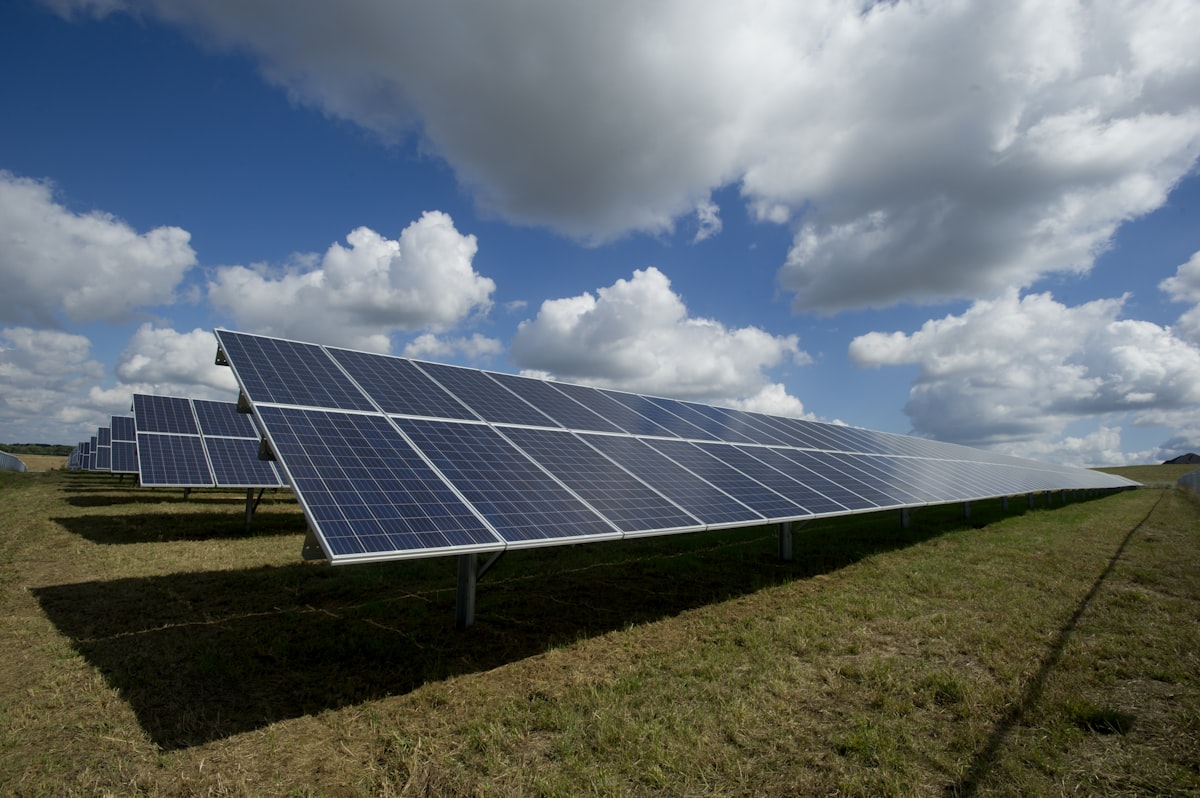
The transition agenda adds another layer of complexity. Decarbonisation can strengthen Europe strategically if it reduces dependency, improves efficiency, and creates new industrial strengths. It can also create fresh dependencies around critical minerals, battery inputs, grid software, and manufacturing concentration. The strategic error would be to treat the green transition as automatically sovereign merely because it is modern. Dependencies can be old or new; what matters is whether they are manageable.
Building a Long-Cycle Doctrine
Energy policy is thus becoming a test case for whether Europe can translate crisis lessons into durable doctrine. Temporary emergency measures are not enough. The continent requires a longer view of storage, reserve margins, cross-border solidarity mechanisms, industrial competitiveness, and infrastructure protection. It also needs a clearer public argument. Citizens are more likely to sustain difficult choices if governments explain that energy security is not a technocratic add-on, but one of the foundations of political independence.
The phrase Geopolitical Pivot usefully captures this wider transformation. Europe is not simply adjusting its energy mix. It is relearning that energy systems shape diplomacy, defence readiness, inflation politics, and industrial rank. That recognition should make policy less sentimental and more strategic. The objective is not to eliminate vulnerability altogether. No advanced economy can do that. The objective is to reduce exploitable dependency to a level consistent with sovereign action. In energy, as in security more generally, freedom belongs to the actor with the greater margin for endurance.
Future European credibility will depend on whether governments can preserve this lesson once immediate crisis memory fades. If the continent reverts to treating energy as a narrow technocratic file, vulnerability will quietly reassemble itself through price incentives and political convenience. If, however, leaders continue to frame energy as a long-cycle strategic field, Europe may emerge from this period not only more diversified but more self-aware. That would represent a genuine geopolitical maturation, not merely an emergency adjustment.
An energy-secure Europe will therefore look somewhat different from the continent imagined during the most complacent years of globalisation. It will be more redundancy-tolerant, more sceptical of single-supplier convenience, more attentive to infrastructure hardening, and more willing to connect industrial policy with strategic consequence. That shift may appear less elegant than the old language of frictionless interdependence, but it is far more realistic. Durable freedom of action has always depended on access to power in both senses of the word. Europe’s geopolitical maturity will be measured by whether it remembers that connection when calmer conditions return.
In that respect, energy policy has become a revealing index of political seriousness. Governments that plan only for efficiency remain vulnerable to coercion. Governments that plan for continuity, redundancy, and strategic shock build a firmer basis for sovereignty. Europe’s task is not to choose between prosperity and resilience, but to recognise that durable prosperity increasingly depends on resilience.
That recognition will define the quality of Europe’s next strategic decade. Energy realism is now part of strategic adulthood.
Continue the briefing shelf
- 02 Apr 2026 Democratic Trust as a Condition of Soft Power Projection
Europe’s external influence depends on whether its institutions remain competent and credible. Democratic trust is a strategic asset, not a domestic concern.
- 03 Mar 2026 Artificial Intelligence and the Diplomatic Profession
AI will not replace diplomacy, but it is reshaping tempo, hierarchy, and the informational advantage on which statecraft depends. Europe must embed it strategically.
- 27 Feb 2026 Eastern Enlargement and the Elastic Boundaries of Europe
Eastern enlargement tests Europe’s civilisational confidence and strategic nerve. Vagueness about membership has costs; adversaries exploit the vacuum of deferred belonging.